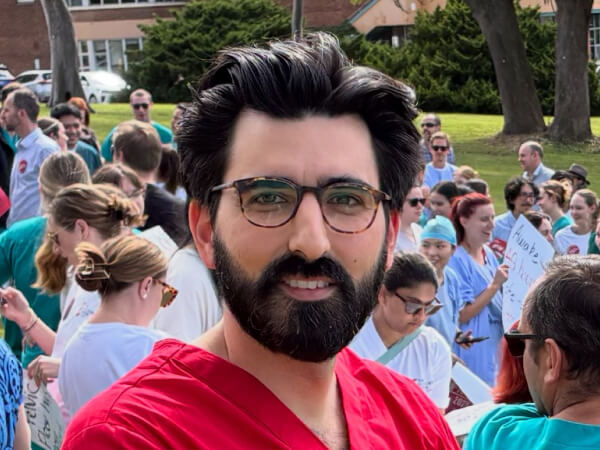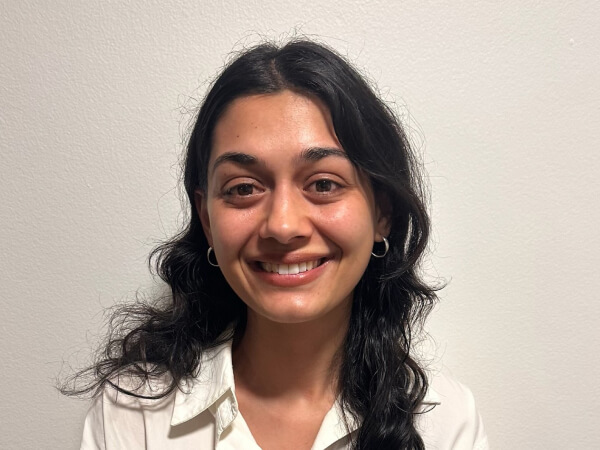
Dr Aayushi Talwar
Psychiatry Registrar
We spoke to Dr Aayushi, a 4th-year Psychiatry Registrar. She reveals the heartbreaking reality of a system at breaking point. Her testimony exposes the moral injury of operating at 50% staffing and the devastating necessity of turning away vulnerable patients to spare them the trauma of the ED. It's a raw look at a workforce being forced out of New South Wales by a crisis the government refuses to fix.
Member Case Study: The Quiet Collapse of New South Wales Psychiatry
Q: You have worked across the state, from Western Sydney to Port Macquarie. Is the staffing crisis localised, or is it the new standard?
“It’s been a pretty consistent thing in every area I’ve worked in, just to varying degrees. It was even present in Sydney LHD, which used to be a little bit safer and more protected. In my last role, we were operating at 50% staffing for my entire term.”
Q: How does this environment affect your ability to actually learn your specialty compared to doctors in other states?
“I recently spoke to a colleague who is doing psychiatry training in Queensland. He was shocked and horrified to hear what training in NSW looks like. Here, most of our job is doing day-to-day grunt work to keep the system afloat. Whereas in other states, you’re there to learn as well as provide care for patients. We’re putting out fires so that the system can function, and hopefully somewhere along the way we also learn enough to be a good psychiatrist.
You’re supposed to do your training work once a week. Often we can’t, because there’s too much that needs to be done. So then you’re catching up outside of work hours and on weekends. There’s no access to study leave.”
Q: What is the hardest decision you have to make for your patients in the current climate?
“All the time, I have patients who want an admission, and I think they would benefit from it. But then we have a conversation around: ‘How do you think the next 48 hours sitting in ED are going to go for you? Is that going to make things worse?’ And of course it would. They’ve done this brave thing by bringing themselves in for help, and then we have to decide that it’s not worth it - that they should go home. Which is really sad, but it happens all the time, because days in ED would be an even more stressful experience for them."
Q: What would make the biggest change for you and your colleagues?
“It’s staffing more than anything else. A boss told me recently that when she was a trainee, there was a limit on how many patients each registrar could have. We all just burst out laughing when she said that, because that’s crazy to us. For us, the wards are always 100% full. If we had more staff, we could actually get to know people, spend time with them, and talk to their families. These are all things that we really want to be doing, but so often I’m saying, ‘I can’t do any more than that.’ It’s a horrible feeling. It’s part of why people are leaving.”
Q: We often hear the NSW government suggest that doctors are "greedy" for wanting better pay. How do you respond to that as a junior doctor in 2026?
“Our employers have this unique power over us; they know we are all desperate to do a good job and not let our patients down. Throughout this campaign, that’s been weaponised. They say, ‘you’re just looking after yourselves’ or ‘wanting lots of money’, and it couldn’t be further from the truth. My reality is closer to my patients’ than my bosses’ in the private sector. I couldn’t afford to see a medical specialist on the salary I’m paid. But the reason we know it’s a remuneration issue is that we can’t keep anyone. Creating more staff positions isn’t the answer, because they’re all unfilled. Stress, workload, hours, pay - everything comes down to people needing to want to work here again.”
Q: How long do you think you can sustain a career in this environment?
“I think about, and actively talk about, leaving NSW every single day. It’s on my mind, and it’s still something I may do. That’s part of why I’ve been active in this campaign - because if I’m here, I’m going to try. But if it doesn’t change, I would be very serious about leaving. I know so many colleagues who have either already left or are in the same boat as me.”
Join asmof nsw today!
Are you a salaried doctor working in NSW? Only by being a member can you add your voice and join the fight for better and safe working conditions!
Related TESTIMONIALS
See other case studies.